When China announced in July 2018 that it would no longer accept PET, PE, PVC, PS* and “other” post-consumer recycled plastics and blended papers, many recyclers predicted that the ban could have far-reaching implications for US recycling.
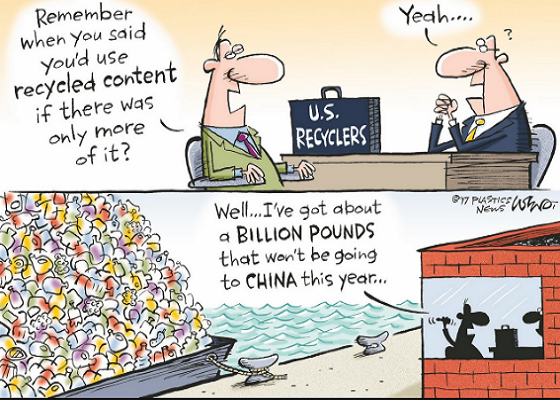
Prior to this, China imported 53% of the world’s waste, most of which came from the United States, and has recently begun to combat smuggling and concerns about the quality of waste imports through green fences and national sword initiatives. However, this new import ban is more due to China’s desire to improve environmental pollution and human health and to build domestic recycling capacity.
Therefore, it remains to be seen how much impact it will have on recyclers who rely on China as a viable end-market for post-consumer recyclables. The Waste Recycling Industry Association has stated that this ban will have a “destructive impact” on the global recycling sector, while other US organizations such as ASSN. Plastic recyclers (APR) and waste and waste transport waste management, indicating an optimistic ban may help improve the quality of the recycle stream and may motivate greater domestic recycling capacity in the United States.
And how do US plastics consumption companies deal with the plight of domestic plastic waste disposal? There are three ways for them to choose:
- Communicate recyclability to consumers
One of the main reasons why China hopes to ban the import of recyclables after consumption is the high pollution rate. While some of these contaminants can be attributed to improper classification in material recovery facilities (MRFs), it is important to remember that most of the contamination comes from the first incorrect recycling of materials by consumers. Many consumers are confused about what they can and cannot recycle and how to recycle them. After the ban, it is important for municipalities and brands to increase recycling education and emphasize the importance of reducing pollution.
2. Design recyclable packaging
In addition to educating consumers, brands can also reduce pollution by designing packaging to achieve optimal recyclability. If more materials (including poor quality materials) stay in the US rather than being shipped abroad, the final market for these materials may require higher quality.

3.the company recycles itself
Most companies are increasingly inclined to choose to recycle plastics themselves to make a profit, rather than paying waste disposal fees to landfills. For example, retailers will choose to purchase a GREENMAX foam recycling machine that compresses waste plastics by screw technology and compresses EPS into blocks at a high ratio of 50:1. Recycled plastic blocks are small and heavy, making them easy to store and transport. The most important point is that recycled plastic blocks have a broad end market, such as hangers, park benches and other manufacturing industries, earning huge profits by selling them to these markets.
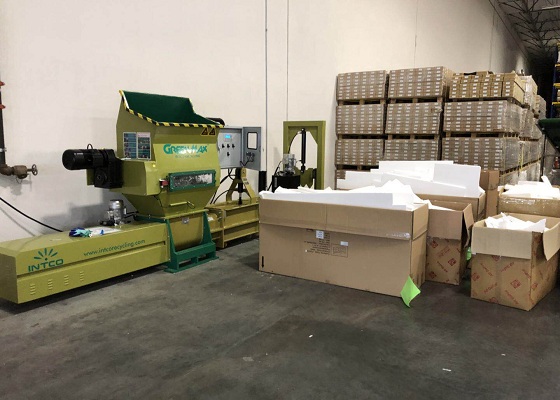
At the same time, these self-recycling companies often advertise themselves as environmentally friendly companies. With the improvement of consumers’ awareness of environmental protection, they are more willing to pay for the products of environmental protection enterprises in terms of consumption. The expenditures of these enterprises on the machine will be replenished in the profit of recycled plastics and the goodwill of consumers. So this way is an investment.