Expanded polyethylene (EPE) foam is a familiar sight in modern logistics. It cushions fragile products, protects surfaces from scratches, and absorbs vibration during shipping. You’ll find EPE sheets, rolls, wraps, and inserts in electronics, furniture, sanitary ware, and countless other supply chains. But once packaging is removed, the same benefits that protect products create a challenge for waste management. EPE is lightweight and resilient, which means it doesn’t compress easily by hand and quickly fills bins and warehouse corners. Businesses often pay repeated hauling and disposal fees simply to move a material that is mostly air.
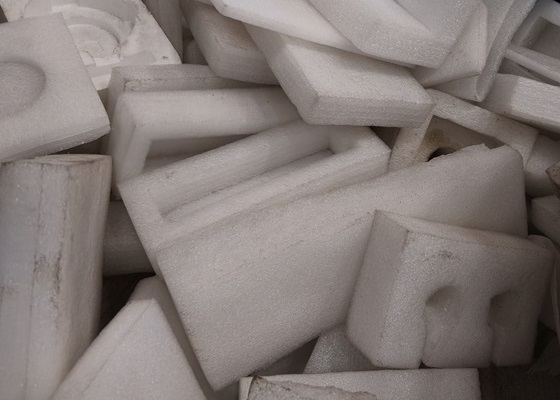
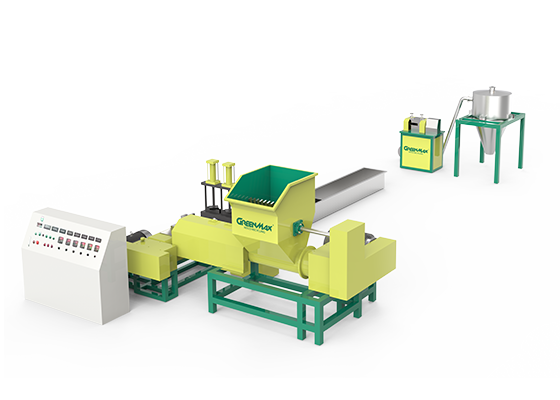
Pelletizing equipment makes EPE recycling practical by converting bulky foam into a dense, standardized feedstock. The goal is to transform irregular foam waste into uniform plastic pellets that can be handled like conventional raw material. In a typical process, collected EPE is prepared so it can feed steadily into the system, then reduced in size and processed through a granulation line designed for polyethylene-based materials. The system heats and reforms the plastic into pellets with consistent shape and density. Compared with loose foam, pellets take up far less space, can be packed efficiently in bags or big bags, and are easier to store in a clean, organized way.
Once converted into EPE pellets, the recycled material can re-enter manufacturing. Depending on the purity and stability of the input stream, pellets can be used in suitable applications such as extruded products, molded items, or blended compounds where recycled polyethylene content is acceptable. Pellets also make quality control more straightforward than dealing with mixed foam scraps. Manufacturers can test melt flow, contamination levels, and mechanical performance, then match the recycled pellets to the right product requirements. This is where the economic value becomes clear: instead of paying for landfill and transport, companies can recover part of the plastic’s value and reduce reliance on virgin resin.
Pelletizing EPE also helps stabilize recycling programs over time. Because pellets are transport-efficient, recyclers can aggregate material from multiple facilities and supply downstream users at predictable volumes. That consistency encourages long-term partnerships and reduces the stop-start cycle that often limits foam recycling efforts.
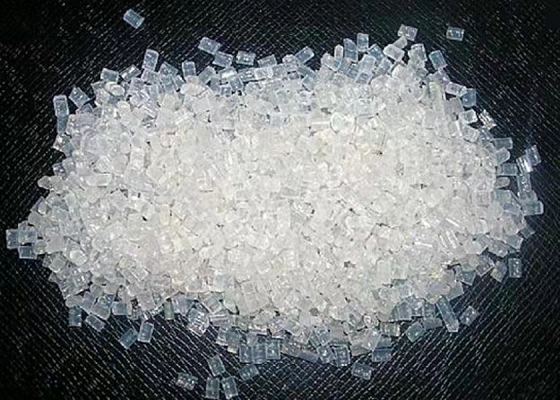
Recycling EPE into pellets is ultimately about turning a packaging waste problem into a material opportunity. With granulation equipment, businesses can cut disposal costs, improve warehouse efficiency, and create a reusable plastic resource that fits seamlessly into modern production and supply chains.