We all know that recycling foam plastic has many benefits. In addition to environmental protection, what other aspects do we often overlook?
Serves as fuel for energy: All that is produced when polystyrene is burned in municipal incinerators is carbon dioxide and water vapor. It works well as fuel for waste-to-energy systems that use thermal recycling—a technique that turns heat into energy—to convert waste materials into usable forms. However, it should be noted that this kind of incineration is a professional energy incinerator, not what we call ordinary incineration. Additionally, recycling consumer polystyrene keeps it out of burn barrels and backyard fires. When burned, polystyrene can release harmful chemicals if incinerators are not used effectively.
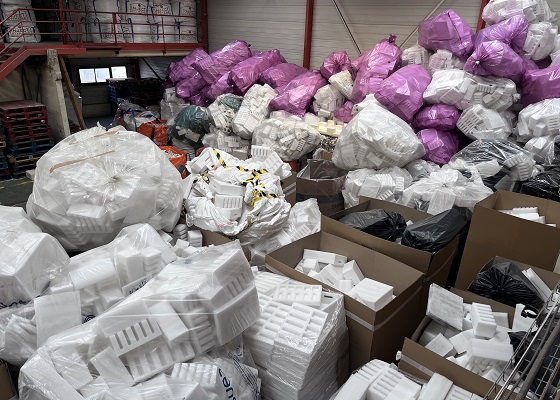
Save on resource mining: The nonrenewable resource petroleum is needed to make polystyrene. Thus, recycling polystyrene lowers the manufacturing process’s oil requirement. Naturally, this is not a zero-sum game—some energy will still be required for the material’s transportation and reprocessing. But Compared with resource saving, these additional costs are also very cost-effective and are part of the worthwhile expenditure.
Save forest resources: A substance that resembles wood and is used by builders to make park benches and fence posts is an intriguing application of recycled EPS. This substitute material is less expensive than hardwood and can be used in place of woods that are taken from rainforests, such mahogany and teak.

Then what we need to do is to try to save unnecessary costs in the recycling process, including transportation and recycling costs. Independent recycling projects can actually solve most unnecessary waste. Foam compactor can be used to recycle various types of foam plastic, including EPS foam, XPS foam, EPP foam, EPE foam, etc. The foam processed by the foam compactor will become 1/50 of the original volume. Transporting dense blocs will save a lot of transportation and storage costs, and there is no need to ask downstream recyclers to help with recycling, which not only saves labor costs , and also gained a more flexible recycling solution.