Expanded polystyrene (EPS) is widely used across many industries because of its excellent insulation properties and lightweight structure. It is commonly found in protective packaging, construction insulation, seafood transportation boxes, and electronic product packaging. However, the same properties that make EPS useful also create challenges for waste management. Because EPS consists of about 98% air, it occupies large volumes of space even when the material weight is relatively low, making transportation and disposal inefficient. Technologies such as the EPS crusher have therefore become essential tools for improving EPS recycling systems.
Globally, large quantities of EPS are generated every year through industrial and commercial use. Packaging remains the largest source of EPS waste. Studies indicate that more than 60 million pounds of post-consumer EPS packaging were recycled in North America in 2022, achieving a recycling rate of around 31% through dedicated recycling programs. These materials come mainly from appliance packaging, electronic product protection, and e-commerce shipping materials.
The construction industry is another significant contributor to EPS waste streams. EPS insulation boards are widely used in modern buildings because they provide effective thermal insulation while remaining lightweight. Data from European waste collection systems show that about 73% of collected EPS waste originates from packaging, while roughly 26% comes from construction materials, illustrating how these two sectors dominate the recycling stream. As urban development and building renovations continue worldwide, the amount of recyclable EPS insulation is expected to increase steadily.
Food logistics and seafood transportation also generate large volumes of EPS waste. EPS boxes are commonly used to transport temperature-sensitive products such as fresh fish and frozen foods. These boxes are often discarded after a single delivery cycle, creating large quantities of foam waste at markets, distribution centers, and ports. Recycling systems supported by crushing equipment help convert these bulky containers into manageable materials that can reenter the recycling chain.
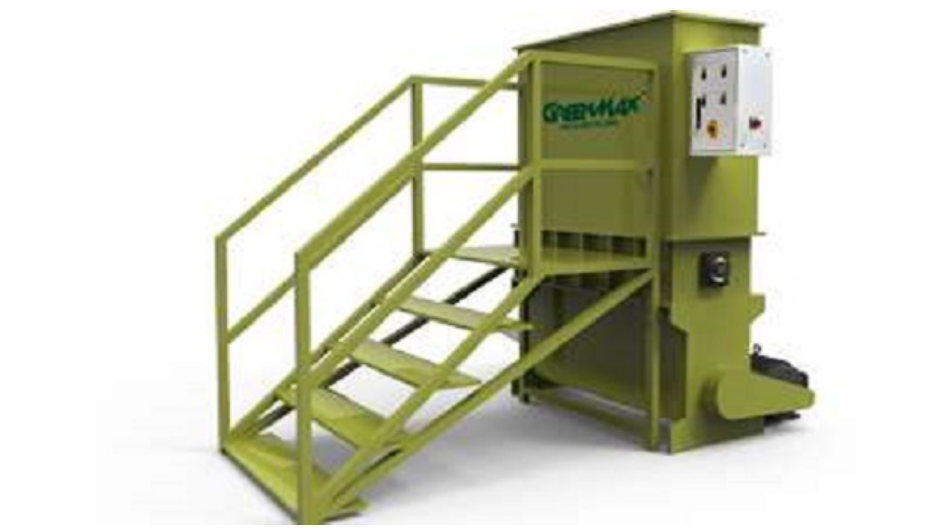
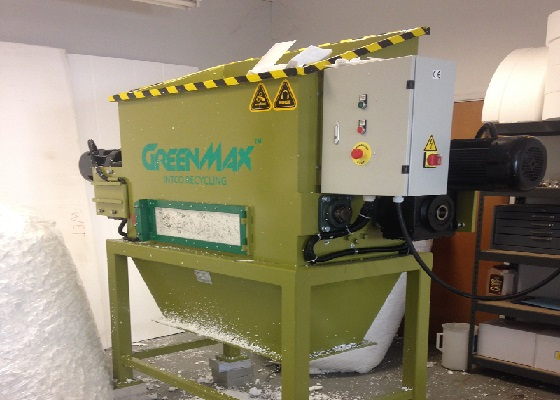
The EPS crusher plays a key role in the first stage of this recycling process. The machine uses rotating blades or mechanical cutting systems to break large EPS foam pieces into smaller particles or flakes. By reducing the size of the material, the crusher prepares the foam for further processing such as compaction, melting, or pelletizing. This size reduction dramatically improves storage efficiency and lowers transportation costs for recyclers.
One important reason why small businesses often prefer using an EPS crusher is its operational simplicity and relatively low investment cost. Unlike more complex recycling equipment, crushers usually require less energy and maintenance while still providing effective volume reduction. For small warehouses, seafood markets, electronics repair shops, and retail distribution centers, installing an EPS crusher allows them to manage foam waste directly on site without needing large industrial systems.
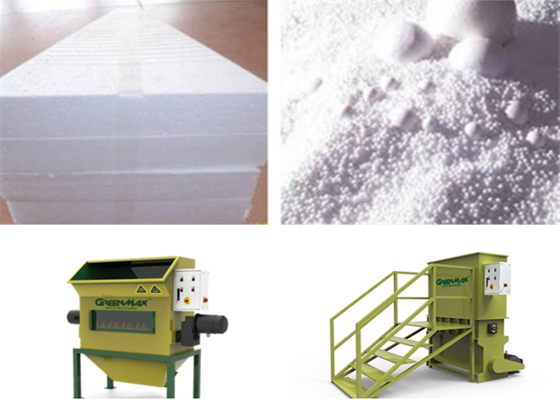
Another advantage is flexibility. A crusher can handle a wide range of EPS waste types, including packaging blocks, insulation scraps, and broken foam boxes. This versatility makes it suitable for businesses that generate smaller but consistent amounts of foam waste.
As global awareness of plastic waste continues to grow, recycling solutions are becoming increasingly important. By integrating an EPS crusher into waste management systems, industries and small businesses alike can significantly reduce the volume of EPS waste and transform it into recyclable material that supports a more sustainable circular economy.