Running a foam recycling machine on-site changes foam waste from a messy, low-density burden into a controllable resource stream, and it also connects directly to crude-oil savings. The reason is simple: most foam packaging is made from petroleum-derived plastics. Expanded polystyrene, for example, is produced from styrene monomer that is primarily derived from petroleum routes before it is polymerized into polystyrene and then expanded into foam. When you capture foam waste and return it to recycling channels, you reduce the need for virgin resin production and the upstream fossil resource demand that comes with it. Life-cycle research on plastics recycling broadly supports this direction, showing recycling can reduce environmental burdens including resource depletion, which is the category most closely tied to fossil feedstocks such as crude oil.
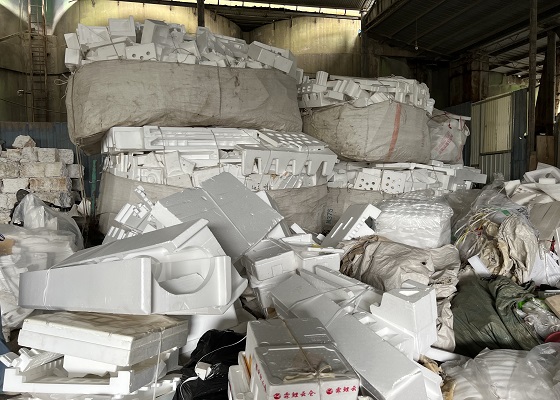
In daily operations, the biggest barrier to recycling foam is its air content. Loose foam fills bins and trailers quickly, making transportation inefficient and expensive. GREENMAX addresses this bottleneck with equipment designed to densify foam dramatically, turning bulky waste into dense blocks that are easier to store, stack, and ship for reprocessing. GREENMAX foam densifiers are also positioned as versatile machines that can handle multiple foam types such as EPS, EPE, and XPS, which is practical for sites that receive mixed foam packaging. The immediate benefit is operational: fewer pickups, cleaner yards, more stable material handling. The deeper benefit is the oil-savings story: every ton of foam that stays in circulation reduces dependence on virgin petrochemical inputs while also cutting transport fuel per unit of material moved, because you’re shipping density rather than air.
A GREENMAX customer case from Tacoma illustrates how this works in practice. A recycling centre dealing with rising EPS foam volumes installed a GREENMAX M-C200E densifier to relieve storage pressure and stabilize logistics, while keeping more foam out of landfill. Densification made the outbound flow more manageable and helped the facility maintain a consistent recycling pathway even as volumes increased. Once the foam is densified into uniform blocks, it becomes a predictable feedstock for downstream recyclers, which is where the crude-oil displacement happens: recycled material competes with virgin resin, and higher-quality, cleaner blocks make that substitution more feasible at scale.
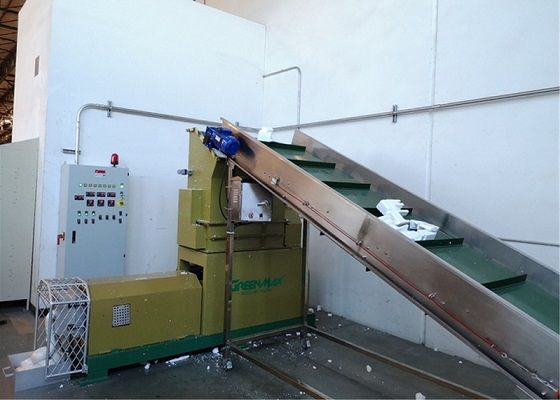
GREENMAX’s broader ecosystem strengthens this loop. INTCO Recycling positions GREENMAX equipment within a “total solution” model that includes equipment manufacturing plus purchasing compressed foam blocks and converting them into new products, reinforcing the idea that densified foam is not just waste but tradable recycled material. In short, a foam recycling machine does more than tidy up a site; it converts scattered, low-value waste into concentrated material that can re-enter production, easing pressure on petroleum-based raw materials and making foam recycling economically repeatable.