As the problem of plastic pollution becomes increasingly serious, white pollution in the ocean—especially discarded expanded polystyrene foam (EPS) and expanded polyethylene foam (EPE)—has become a key focus of global environmental governance. These lightweight foam plastics are widely used in fishing floats, packaging materials, and construction transportation, but once they enter the ocean, they are extremely difficult to degrade, posing a severe threat to marine ecosystems and wildlife. In the face of this challenge, Screw Compactor is emerging as an efficient and cost-effective solution, widely applied in coastal clean-up, fisheries waste management, and marine debris recycling projects.
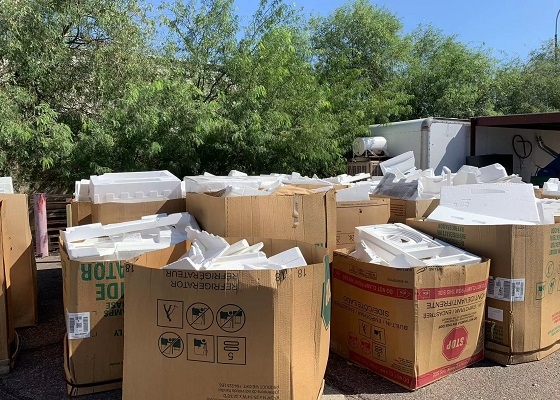
Challenges of Marine Foam PollutionFoam plastics float in the ocean for a long time, are large in volume, and can easily break into microplastics, entering the food chain. Traditional recycling methods face issues such as high transportation costs, difficulty in cleaning, and the large volume but low weight of foams, resulting in a large amount of plastic foam being landfilled or incinerated, further causing secondary environmental pollution.
Screw Compactor: Designed for compressing foam plasticThe screw compactor continuously extrudes foam plastic through a screw mechanism, removing internal air and moisture, compressing the originally loose foam into high-density blocks.
This equipment typically has the following advantages:
High volume compression ratio: up to 50:1, significantly reducing transportation and storage costs;
Adaptable to humid environments: suitable for use in coastal areas and fishing ports, capable of handling partially moist foam;
Stable operation and simple operation: suitable for deployment in fishing ports, recycling stations, and on ships;
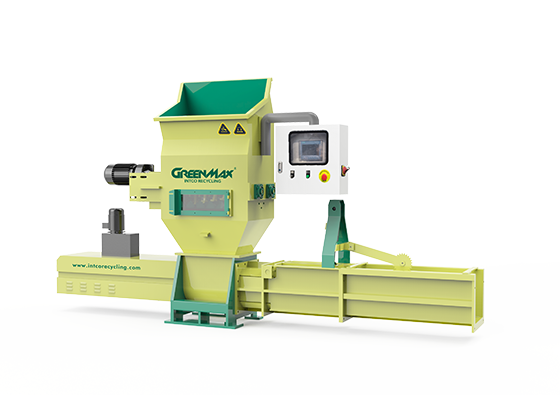
Can be integrated with solar or diesel power generation systems: ideal for remote islands and mobile platforms.
Destination of Recycled Foam: The foam that has been compressed by the screw compactor is formed into bricks and can be sold as recycled plastic raw materials to pelletizing companies. These recycled materials can be further made into plastic sheets, stationery, building materials, and even art installations, achieving the transformation of foam “from ocean waste to recycled resources.”