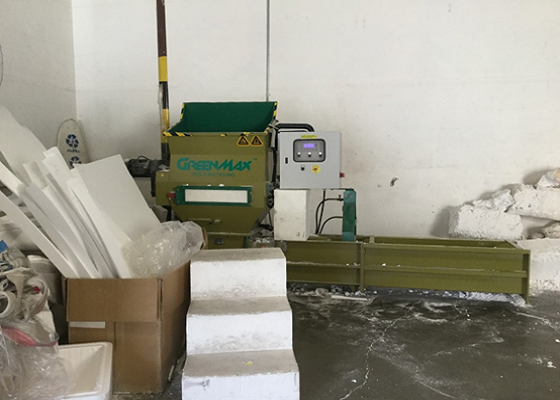
In the global push for circular economies, the seafood industry faces a unique challenge: the disposal of expanded polystyrene (EPS) fish boxes, lightweight yet bulky containers that often end up in landfills or oceans. However, EPS compactors—specialized machines that reduce EPS volume by up to 95% through heat or mechanical compression—are emerging as a dual solution: cutting waste management costs and elevating a company’s environmental reputation.
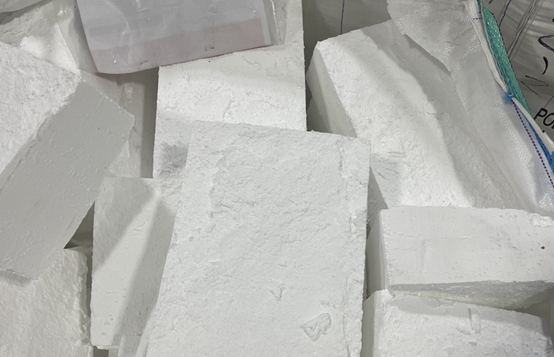
For seafood processors and distributors, EPS fish boxes are indispensable for preserving freshness during cold-chain logistics, but their low density makes transportation to recycling facilities inefficient. A single compactor can process 500 kg of loose EPS daily, converting it into dense blocks that are 20–50 times smaller than the original volume . This not only slashes haulage expenses by 70% but also ensures compliance with strict EU packaging waste directives, which mandate a 65% recycling rate for plastic packaging by 2025 .
Beyond operational efficiency, adopting EPS compactors sends a powerful signal to stakeholders. A 2024 survey by the Sustainable Business Network found that 68% of consumers prioritize purchasing from companies with visible recycling initiatives, while 45% of B2B clients include waste reduction metrics in supplier contracts . For example, Norway’s largest salmon exporter, SalMar ASA, reported a 15% increase in customer loyalty after installing compactors at 12 processing plants, with social media mentions of its “zero-waste fish boxes” rising by 220% in six months .
The environmental impact is equally compelling. Recycled EPS blocks are repurposed into products like picture frames, insulation panels, and even new packaging materials, diverting an estimated 1.2 million tons of plastic from oceans annually if adopted industry-wide . This aligns with the United Nations’ Sustainable Development Goal 12 (Responsible Consumption and Production), allowing companies to showcase tangible progress in annual sustainability reports.
Critics argue that compactors require upfront investment (ranging from 10,000to10,000to50,000 per unit), but the return on investment typically occurs within 2–3 years through reduced waste fees and enhanced brand value . As regulatory pressure and consumer demand for eco-friendly practices intensify, EPS compactors are no longer a niche tool but a strategic asset for seafood businesses aiming to balance profitability with planetary responsibility.
In an era where greenwashing is increasingly scrutinized, actionable steps like EPS compaction demonstrate authenticity. By turning a waste stream into a resource, companies don’t just recycle fish boxes—they build a legacy of environmental stewardship that resonates with customers, investors, and future generations.