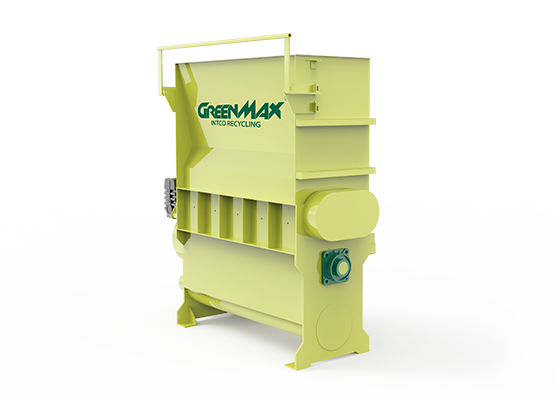
Foam waste is a persistent challenge for many industries and municipalities because it is lightweight, fragile, and extremely bulky. Whether it comes from protective packaging, product cushioning, insulation offcuts, or logistics operations, foam can occupy large volumes in storage areas and dumpsters while adding little weight. This imbalance drives up disposal costs, increases transportation frequency, and creates housekeeping problems on factory floors. In addition, scattered fragments can easily spread through wind and handling, raising concerns about cleanliness and environmental leakage. For organizations seeking to improve waste management without complex infrastructure, a foam crusher offers a straightforward, scalable solution.
A foam crusher reduces foam into smaller, more manageable pieces, allowing waste handlers to consolidate material and improve the efficiency of internal logistics. By shrinking the physical footprint of foam waste, facilities can free up valuable space, reduce container swaps, and streamline the movement of waste from production areas to central collection points. The processed material is easier to pack, easier to store, and often easier to transport to downstream recyclers or waste partners. Even when a facility cannot immediately secure an offtake buyer, volume reduction alone can deliver meaningful savings by cutting hauling and disposal frequency.
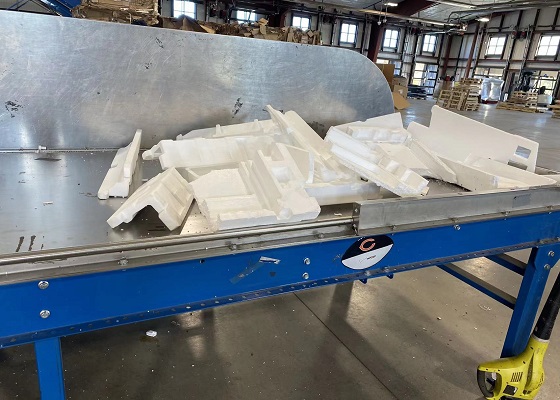
For factories that face tight budgets, the appeal of a foam crusher is especially strong. Many underfunded plants want to reduce waste but struggle to justify high capital investments or complicated recycling lines that require specialized operators and continuous maintenance. A crusher can serve as an entry-level step toward better waste control because it focuses on a single pain point: the bulk and handling cost of foam. With a modest footprint and relatively simple operation, it can be integrated into existing workflows, enabling staff to process foam waste as it is generated rather than letting it accumulate until it becomes a costly cleanup task. Over time, the factory can use the cost savings from fewer pickups and less wasted storage space to reinvest in further improvements.
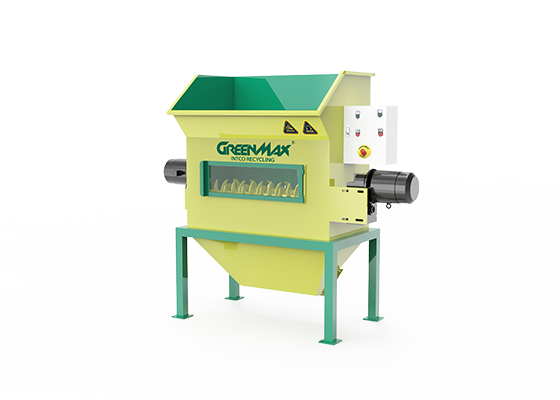
Beyond economics, a foam crusher can help facilities build more credible sustainability practices. When foam is prepared in a consistent form, it becomes easier to measure, track, and communicate diversion progress. This can support compliance reporting, customer audits, and internal targets. It also promotes safer, tidier work environments by reducing loose foam debris, which can obstruct walkways and complicate routine cleaning.
Ultimately, foam crushers offer a pragmatic bridge between disposal and recycling. By turning chaotic, voluminous waste into a controlled, compact output, they help both well-resourced and cash-strapped factories take immediate steps toward lower costs and better environmental performance.