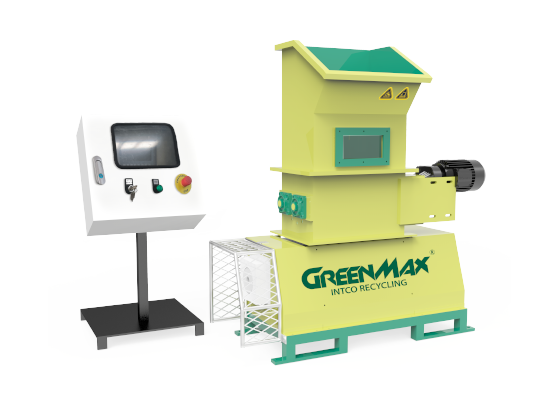
In modern packaging and cushioning applications, expanded polyethylene (EPE) is widely used for protecting fragile products during transportation. However, the cutting, shaping, and trimming of EPE sheets generates a considerable amount of waste. If this material is simply sent to landfill, it not only occupies valuable space but also represents a significant loss of reusable resources. Installing an EPE recycling machine provides a practical way to transform loose EPE waste into compact, reusable material, in a similar spirit to how an EPS compactor handles expanded polystyrene.
An EPE recycling machine is designed to process lightweight, bulky EPE waste and convert it into dense, easily manageable material. The waste is fed into the machine, where it is shredded, heated, and extruded into bars or blocks that can be stored and transported efficiently. Just as an EPS compactor reduces volume and improves handling of foam waste, the EPE recycling machine turns scattered EPE offcuts into standardized output that holds value as a secondary raw material. These recycled products can later be converted into items such as insulation materials, construction profiles, or other plastic products.
Using this equipment also optimizes space and logistics. Loose EPE waste is difficult to stack and often fills a storage area rapidly. After processing in the EPE recycling machine, the once voluminous waste becomes dense output that can be palletized and loaded in a much higher tonnage per truck. This directly lowers transportation costs and reduces the environmental impact associated with moving low-density material. For factories that already use an EPS compactor for one stream of foam waste, adding an
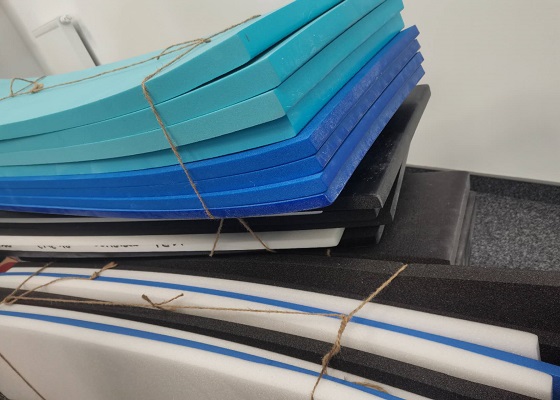
EPE recycling machine for another stream helps build a more complete recycling system on site.
To keep the EPE recycling machine running reliably, daily maintenance is essential. Operators should begin each shift by checking that the feeding hopper, shredding chamber, and extrusion zone are free of residual material that could cause blockages. After the machine cools down, surfaces in contact with EPE should be cleaned to prevent buildup that might affect melting and extrusion quality. It is also important to inspect cutting blades or rotating shafts for wear, ensuring that they remain sharp and balanced for stable processing. Lubrication points must be serviced according to the manufacturer’s schedule so that bearings and moving parts operate smoothly. Electrical components, sensors, and emergency stop functions should be tested regularly to guarantee safe operation.
By combining effective processing with disciplined daily maintenance, an EPE recycling machine offers long-term, stable performance. It reduces waste volume, creates new value from EPE offcuts, and complements other foam recycling solutions such as an EPS compactor. In this way, manufacturers can improve both economic efficiency and environmental responsibility in their production lines.