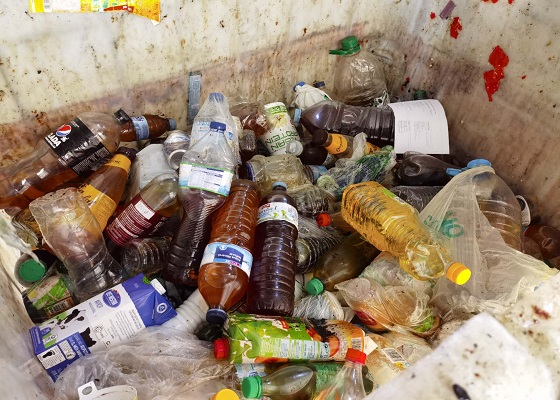
Handling empty PET bottles looks simple until you manage them at scale. Loose bottles take up enormous space, bounce out of bins, and trap air that makes transport inefficient. Even when the plastic itself has clear recycling value, the logistics often don’t. That is why a bottle baler is widely used in collection centers, warehouses, beverage plants, and materials recovery facilities: it converts low-density, hard-to-handle bottles into dense, stable bales that can be stacked, stored, and shipped economically.
A well-run baling workflow starts with basic preparation. PET bottles are typically separated from other plastics and contaminants, then allowed to drain so excess liquid does not add weight or create odor. Once bottles are fed into the baler chamber, hydraulic compression collapses the trapped air and locks the material into a rectangular bale. The result is not just smaller volume; it is a standardized “unit” that forklifts can handle safely and that buyers can evaluate quickly. When bales are consistent in size and density, loading a container or truck becomes predictable, and downstream recyclers can plan shredding, washing, and flake production with fewer interruptions.
The operational payoff of a bottle baler shows up most clearly in transport economics. For PET, the cost driver is often not the weight limit of a container but the usable volume and how efficiently that volume is filled. Low-density bales leave money on the table because the shipper pays for a container that is not carrying enough sellable plastic. Dense bales, by contrast, push each shipment closer to practical loading targets, reducing the cost per ton and improving margins for collection and sorting operators. At the same time, baling keeps sites cleaner by preventing bottles from scattering, and it reduces fire risk compared with piles of loose plastics.
A real-world example comes from Indonesia, where a waste recycling company operating MRF facilities in Ambon and Makassar had been using a locally purchased vertical baler. According to a published case, the older machine’s baling power was relatively low and the bale size was not well matched to 40HQ container loading, resulting in average container weights of about 14–15 tons and correspondingly high transportation costs. The operator wanted a more efficient PET bottles recycling setup that could raise loading weight and support more mechanized, efficient loading. The same case describes the company purchasing a combination of one horizontal GREENMAX PET bottle baler and three vertical GREENMAX PET bottle balers, along with conveyor belts, followed by on-site guidance and layout optimization. After installation, the facility reported improved production efficiency, significantly improved container weight, and optimized transport costs, strengthening the economics of its PET bottle supply chain.
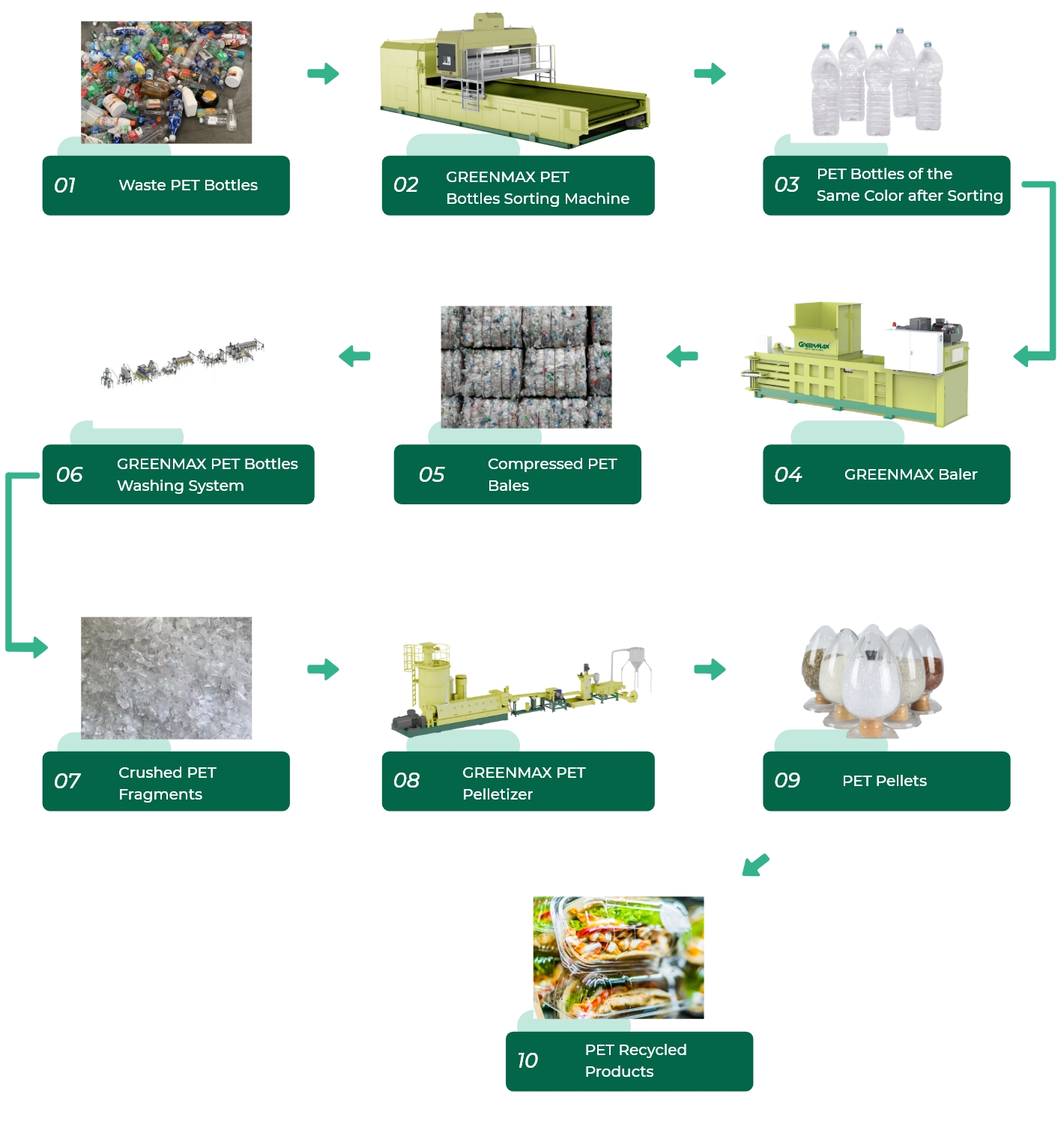
In practice, choosing the right bottle baler is about matching throughput, space, and bale requirements to the realities of your operation. For smaller sites with intermittent volumes, a vertical baler can be a compact fit. For higher-volume lines, a horizontal baler can support continuous feeding and faster output. Either way, the goal is the same: turn loose, bulky PET into bales that move like a commodity. When baling is done well, empty bottles stop being a storage problem and start becoming an efficient, tradable resource.