Expanded foam materials are everywhere in modern logistics and manufacturing. From protective packaging for appliances and electronics to insulation offcuts and industrial dunnage, expanded foam keeps products safe while keeping shipping weights low. Yet once the product is unpacked, the foam becomes a stubborn waste stream. It is clean in many cases, but it is extremely bulky, easy to scatter, and expensive to handle. This is where a foam crusher becomes a practical solution for facilities that want to recycle expanded foam rather than constantly pay to store and haul “air.”
A foam crusher is designed to break down expanded foam into a smaller, more manageable form. Instead of letting large foam blocks occupy valuable warehouse space, operators feed the foam into the crusher, where it is reduced in size through mechanical crushing. The immediate benefit is volume reduction: the same amount of foam waste can be stored more densely, transported more efficiently, and prepared for downstream recycling processes. For businesses with steady foam generation—such as distribution centers, packaging workshops, retail backrooms, or manufacturing plants—this creates a predictable workflow that turns foam waste into a controlled material stream.
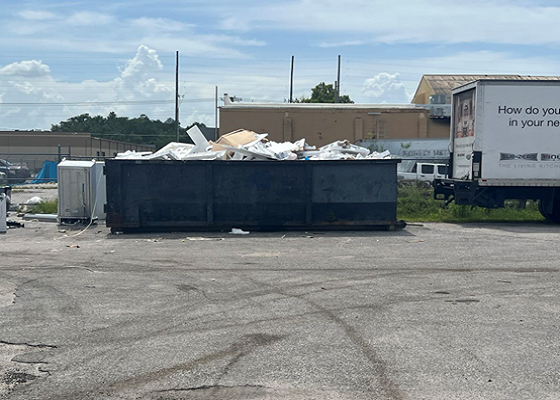
The recycling value of expanded foam often depends on logistics. Loose foam fills containers quickly, which triggers frequent pickups and higher transport fees. It can also create housekeeping issues when pieces break off and spread around loading areas. By crushing foam at the source, facilities can consolidate material on-site, reduce handling time, and keep work areas cleaner. This is especially important in high-throughput environments where dock space and backroom organization directly affect productivity.
Once foam is crushed, it can move into the next step in the recycling chain. In many recycling operations, size reduction is a required pre-treatment because it improves feeding consistency for equipment such as compactors, densifiers, or shredders. Crushed foam is easier to convey, easier to bag, and easier to accumulate in uniform loads. When paired with the right downstream equipment, crushed material can be transformed into dense blocks or regrind suitable for reprocessing. This helps recyclers convert expanded foam into usable raw material for manufacturing applications, keeping the material in circulation instead of sending it to disposal.
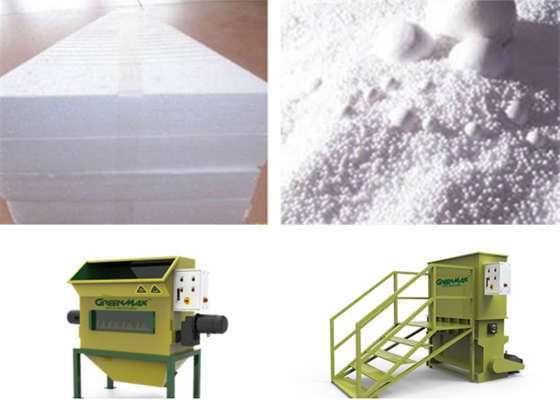
A successful foam crusher program also depends on keeping the input stream relatively clean and consistent. Expanded foam from protective packaging is often a strong candidate because it tends to be dry and free of organic contamination. When foam is segregated at unpacking stations and processed promptly, the crushed output is more likely to meet recycler requirements. Over time, this discipline can help facilities build stable relationships with recycling partners and reduce the uncertainty that often surrounds foam recovery.
From a cost perspective, the payoff is usually seen in operational efficiency. Volume reduction lowers the frequency of waste collections, reduces the footprint needed for storage, and can improve site safety by minimizing pileups and loose debris. In some regions, crushed and properly prepared foam may even have resale value when end markets are available, further improving the economics of recycling.
In short, a foam crusher helps close the gap between the practical realities of expanded foam waste and the goal of recycling it. By reducing bulk at the point of generation, it makes collection and processing more efficient, supports downstream recycling steps, and allows facilities to treat expanded foam not as a nuisance, but as a recoverable resource.