Expanded polypropylene (EPP) is a lightweight, resilient foam widely used in the automotive industry because it absorbs impact, resists chemicals, and returns to shape after compression. It is commonly found in bumper cores, door and pillar energy absorbers, headrests, seating components, tool organizers, battery and electronics protection, and reusable dunnage for parts transport. The same properties that make EPP ideal for protection also make it difficult to manage as waste: it is durable, low-density, and takes up a lot of space.
Most EPP waste in automotive operations comes from three sources. First is production scrap, including offcuts from molding or trimming, rejected parts from quality checks, and setup waste from line changeovers. Second is packaging and logistics waste, such as worn or damaged EPP dunnage and protective inserts used to ship parts between plants and suppliers. Third is service and refurbishment streams, where damaged protective components are replaced during maintenance cycles. In all cases, the waste is “light but huge,” meaning disposal costs are driven by volume, not weight.
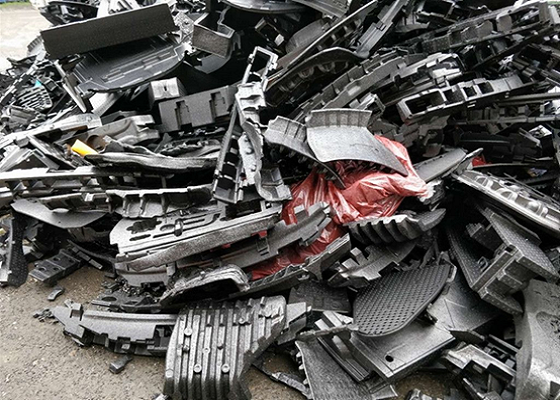
A foam compactor addresses this cost problem at its root. By compressing EPP into dense, stable blocks, it reduces the space required for storage and eliminates the need for frequent waste pickups. Instead of filling multiple cages or gaylords with loose foam, plants can compact EPP continuously and stack the output neatly on pallets. This improves housekeeping and safety, reduces forklift trips, and most importantly lowers transportation costs by consolidating loads. Compaction also supports recycling pathways, because densified EPP is far more economical to move to recyclers than loose foam.
One GREENMAX automotive customer faced constant overflow of EPP scrap near the assembly and packaging areas. Loose EPP consumed valuable floor space, and the plant paid for frequent collections with poor load efficiency. After installing a GREENMAX foam compactor, operators began compacting EPP daily at the source. The facility quickly shifted from “overflow management” to a controlled routine: densified blocks replaced scattered foam, pickup frequency dropped, and internal handling time was reduced. With the waste stream stabilized, the plant was also able to coordinate better with downstream partners, since compacted EPP could be stored until a full, cost-effective shipment was ready.
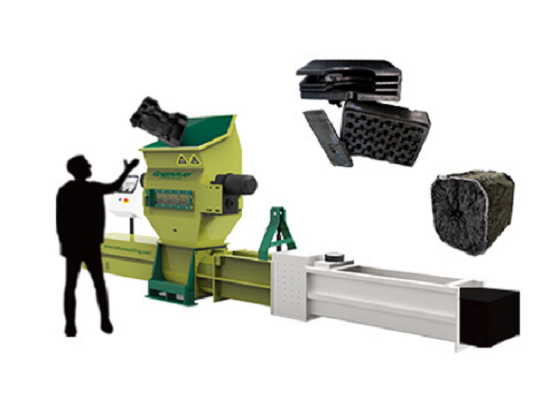
For automotive manufacturers, EPP waste does not have to be a recurring cost burden. A foam compactor turns bulky EPP into a manageable, transport-efficient material, helping plants reduce hauling expenses, improve operational efficiency, and build a more practical recycling program.