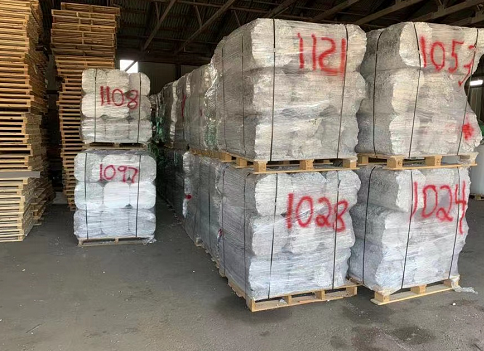
If not used as food packaging, EPS can actually be made into some interesting things around the home. For instance, some households with pets are totally capable of recycling EPS. Create a nest for puppies and kittens using these EPSs. EPS is an excellent insulation material because of its properties. We can keep our pets from getting sick when the seasons change. Additionally, as babies grow quickly and require changing the size of the seat periodically, we can create a seat for them at home using EPS. We can attempt to recycle EPS to create our own baby seats.
But what do we do with these things when we no longer need them? In fact, this EPS waste should be placed at a designated location in the community for recycling. If the community does not provide these services, it should be placed in a nearby community for recycling. However, there is something to focus on. Whatever you create with EPS, you must sort the trash when you no longer need it. Place these items at a EPS recycling facility. Allow experts to completely recycle these EPSs. EPS and EPS goods occupy 30% of our landfill space due to the excessive amount of white pollution in the world today, and as a result, landfills are quickly filling up. According to A Recycling Revolution, the average waste contains one-third EPS packaging material. Because the United States produces the most garbage in the world and its landfills are filling up at an alarming rate, we need to improve our EPS recycling practices.
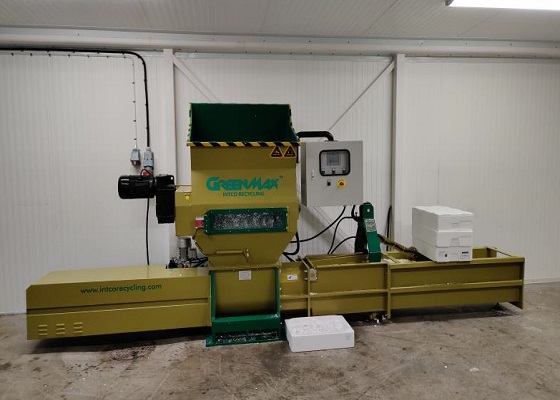
A more environmentally friendly physical process for thorough EPS recycling has now been adopted by numerous recyclers and the necessary regulatory agencies. The first step is the EPS compactor, which may compress EPS into pellets and then pelletize them to produce new plastic items. Public acceptance of this environmentally friendly EPS recycling technique has been growing.