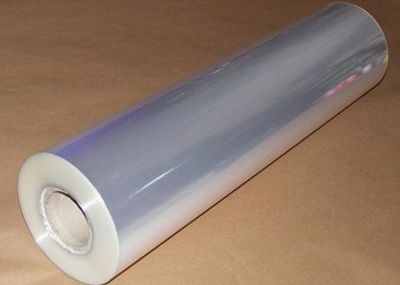
Agricultural plastic film is a product moisture loss and other measures to protect plants for agricultural production, with the progress of science and technology, agricultural plastic films for increasingly high demand for a variety of new films continue to emerge. Currently, the disposal of foreign waste agricultural plastics are the following:
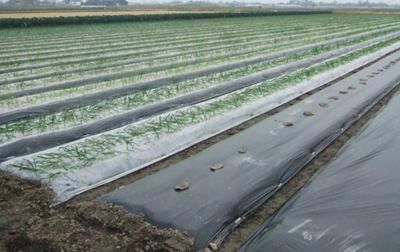
(1) Recycling of plastic sheeting rely mainly on machinery, high recovery rate.
(2) The recycling (including simple modification of regeneration and regeneration) is one of the main ways of waste disposal of plastic sheeting. And modification of recycling compared to simple recycling technology investments and costs are relatively lower, the choice is also more common, but modified recycling is the development direction. But the current international plastic recycling rate is not high, especially in developed countries. One of the main obstacles to plastics recycling is between the original and the regeneration of polymers lack the same competitive pricing. It also requires acceptance and demand for recycled plastics markets.
In the long run, less than ideal for the use of recycled basic biological process and the skills and British boycott plastics recycling industry may also limit the regeneration. For example, after one use it is as a plastics recycling container, but in fact the program difficult to implement. Britain gives local authorities do not use plastic containers regeneration scheme for the following reasons: inadequate funding; lack of market confidence in the material; the environmental benefits of uncertain; inadequate information; lack of public demand.
(3) Energy recovery from waste agricultural plastic film and municipal solid waste is another effective way of recycling. Due to high calorific value of waste plastic sheeting, which heat recovery considerable potential. Many developed countries have set up a special processing plant. In the United States it has established more than 200 seats of waste energy recovery plant. In Japan and Germany, as an energy recovery of waste plastics processing scheme is gaining benefits. China has not yet had a special plastic incinerator, waste plastic and municipal waste together is often burning, such as Shenzhen, the introduction of Japan’s Mitsubishi Heavy Industries Martin furnace waste incinerator emissions and Shanghai Pudong introduce French waste incineration facilities. Advantages obtain energy incineration to produce steam or electricity is to minimize pollution of the natural environment, compared with the retention in the soil buried and this advantage is particularly prominent.

For energy recovery, the key is to consider the collection, transportation, cost of reprocessing and waste treatment. In general, the energy recovery plant needs with a high temperature furnace and reduce air pollution treatment equipment. Good incinerator will not cause secondary pollution, but the high cost, high maintenance equipment losses and operating costs, and the necessary scale.