Polystyrene foam doesn’t biodegrade like organic material that caused the biggest environmental concern. Instead, it breaks down into small pellets that are hard to clean up, which is potentially poisonous for marine creatures and humans who eat them.

Polystyrene litter causes significant environmental damage to the environment. Polystyrene litter floats easily through gutters, storm drains, creeks and rivers, and into wetlands and the ocean.
It never biodegrades; it merely breaks into smaller and smaller particles and is ingested by wildlife. In landfills, polystyrene products take up space and do not degrade.
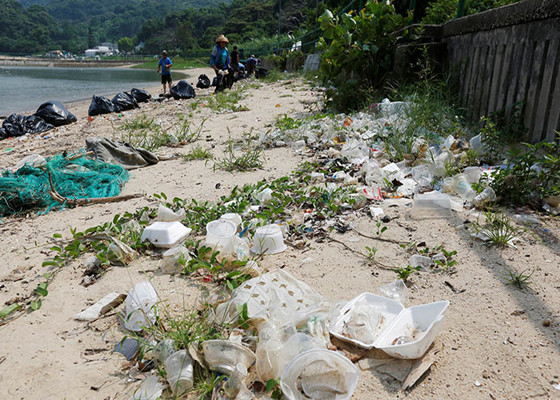
Now, many cities have banned the use of polystyrene food containers, but it doesn’t work. It is reported that environmentalists and some polystyrene recycling centers try their best to stop such a ban, as they argue that the bigger problem is littler and that the real solution is doing a better job of recycling foam, or maybe even finding a way to turn polystyrene trash into energy, the waste polystyrene can be made into pellets with polystyrene recycling machine.
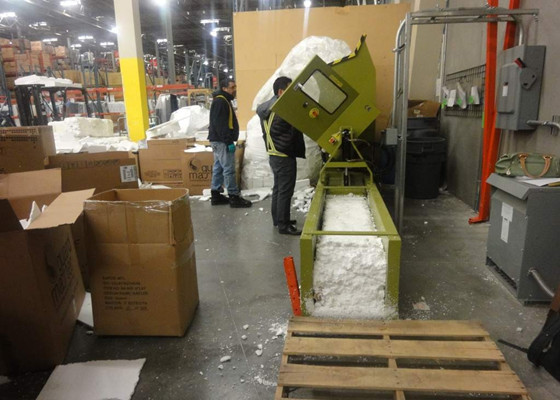
GREENMAX recycling from INTCO is very well received in polystyrene recycling. It can provide polystyrene compactors and Styrofoam densifiers to reduce the volume of the polystyrene waste at high ratio. Compress and melt the waste foam into EPS block or ingots. EPS, after compaction or extrusion, can be sold for recycling and reusing them to make frame products and construction moldings, such as crown molding, wall panel, etc.
Polystyrene recycling will be well treated in GREENMAX, Furthermore, GREENMAX stop the flow of polystyrene foam trash into the ocean, protecting the marine life and the ocean.