EPS foam boxes are widely used in seafood transportation, cold-chain logistics, and food packaging because they are lightweight, insulating, and affordable. However, when these boxes are not properly collected and recycled, they can easily become a serious source of marine pollution. Due to their low weight, discarded EPS foam boxes can be blown by wind from markets, ports, warehouses, and coastal areas into rivers and oceans. Once they enter the marine environment, they break into small foam particles that are difficult to clean up and may be mistaken for food by fish, seabirds, and other marine animals.
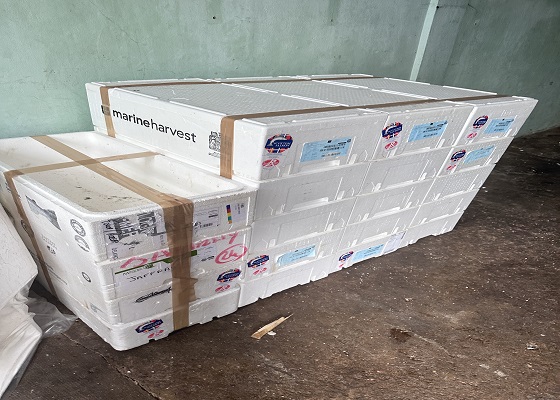
The environmental impact of abandoned EPS foam boxes is especially noticeable in coastal cities and seafood markets. After daily fish trading and transportation, large quantities of used foam boxes are often left behind. If they are not handled in time, rainwater, wind, and poor waste management can carry them into drainage systems and eventually into the sea. Although EPS is recyclable, its bulky size and low density make transportation expensive, which is one reason many businesses choose disposal instead of recycling. This creates a gap between environmental responsibility and practical waste management.
An EPS compactor provides an effective solution to this problem.
By compressing loose EPS foam boxes into dense blocks, the machine greatly reduces the volume of waste and makes recycling economically practical. Instead of storing piles of used foam boxes or paying high disposal fees, companies can process them on site and send compacted blocks to recycling facilities. The compressed EPS material can then be reused as recycled plastic raw material, helping reduce landfill waste and preventing foam from entering the ocean.
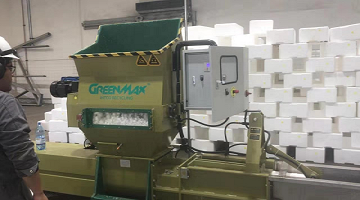
A good example can be found in a coastal seafood distribution company that used to generate a large number of EPS fish boxes every day. Before introducing a GREENMAX EPS compactor, the company struggled with overflowing storage areas and frequent waste collection costs. Some foam boxes were difficult to manage during busy seasons, especially when wind and rain increased the risk of waste escaping into the surrounding environment. After installing the EPS compactor, workers were able to feed used foam boxes directly into the machine after basic cleaning and draining. The foam was compressed into compact blocks, making storage cleaner, transportation more efficient, and recycling more valuable.
Using an EPS compactor not only helps businesses reduce waste management costs but also supports the protection of oceans and coastal ecosystems. As more seafood companies, markets, and logistics centers take responsibility for EPS foam box recycling, fewer discarded boxes will end up in waterways. With practical recycling equipment, EPS waste can be transformed from a pollution risk into a useful resource, contributing to a cleaner marine environment and a more sustainable packaging industry.