With the increasing awareness of environmental protection, the recycling of plastic and foam materials has become an important issue in the global manufacturing industry. In the Styrofoam manufacturing industry, defects and scrap are inevitable during the foam production process. In order to solve this problem, many companies have begun to introduce Styrofoam Compactor equipment to improve the efficiency of waste recycling and reduce the impact on the environment.
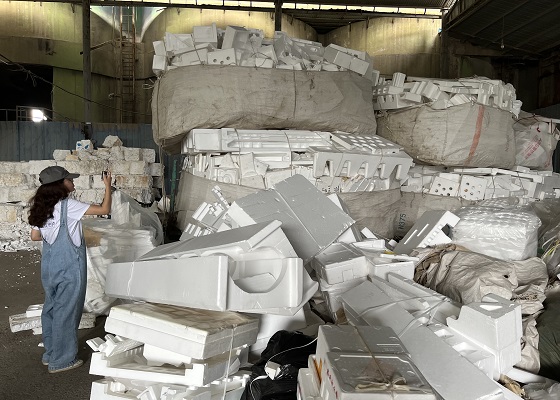
Styrofoam Compactor is one such device?
The Styrofoam Compactor is a device specifically designed for compressing and processing polystyrene foam (Styrofoam) waste. Through compression, bulky foam scraps are converted into denser blocks that are easier to transport and store. In this way, companies can not only reduce waste disposal costs, but also lay the foundation for subsequent recycling.
During the production process of Styrofoam, the following types of defective products often appear:
Cutting scraps: During the production process, scraps are generated from the cutting and shaping of foam materials.
Defective products: Foam products that do not meet standards may be produced due to production equipment failure or operational errors.
Expired materials: Foam materials that are not used in time will also become waste.
If these defective products are not processed, they will not only take up production space, but may also cause a burden on the environment.
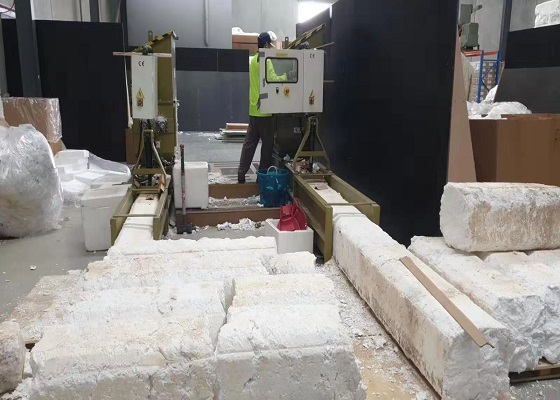
The Styrofoam Compactor provides the Styrofoam manufacturing industry with an efficient waste disposal solution. GREENMAX styrofoam compactor mainly uses two main methods: crushing and screw extrusion to compress waste to 1/50 of its original volume. By compressing and recycling defective products, companies can not only reduce operating costs, but also contribute to environmental protection. With the advancement of technology and environmental protection policies, more and more companies will adopt this solution to promote the circular economy of foam materials and open up new paths for sustainable development.