With the wide application of plastic products, the recycling of waste plastic film has become a hot issue of global concern. Polyethylene (PE) and polypropylene (PP) films are widely used in packaging, agriculture and industry due to their good properties. However, these films often contain moisture and impurities after use, and recycling is technically difficult. In this paper, we will discuss the technology and application of modern recycling equipment to recycle aqueous PE and PP films.
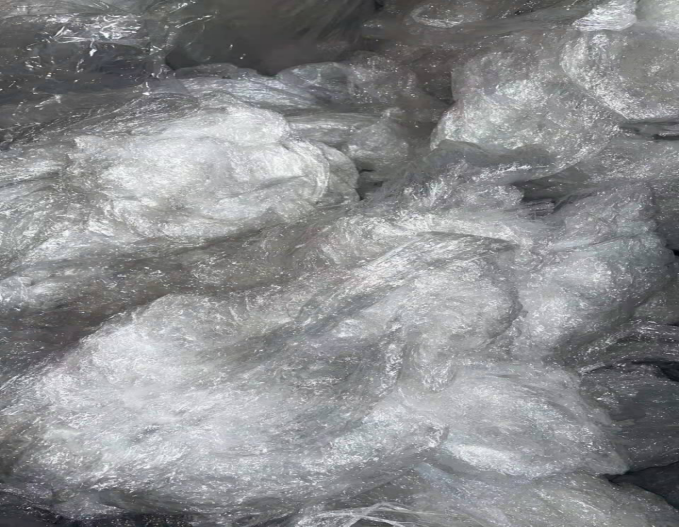
Recycling challenges of aqueous PE and PP films
- Contaminants
After use, PE and PP films are usually attached to pollutants such as dust, oil, and pesticide residues, which directly affect the quality of recycled materials. - Water content
Agricultural mulch film or cleaned film contains high moisture content, and if not treated in time, it can lead to clogging of recycling equipment and increased processing energy consumption. - Material degradation
Films that have been exposed to sunlight for a long time may have partially degraded, and their mechanical properties and usability need to be concerned during the recycling process.
The core technology of recycling equipment
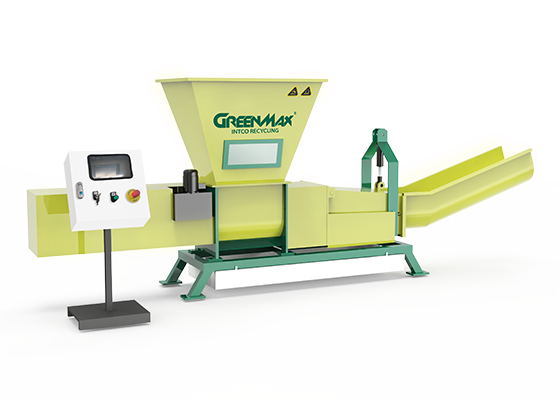
Modern recycling equipment is designed to clean, dehydrate and reprocess aqueous PE and PP membranes, and today we are introducing a GREENMAX device to help dewater. The GREENMAX P series recycling equipment uses screw extrusion technology to squeeze out the water in the PE and PP films to achieve film drying. The GREENMAX P series is not only used to recycle plastic film, but also PET water bottles, helping to drain the liquid inside.
Through advanced recycling equipment and scientific recycling technology, the recycling of water-containing PE and PP films will greatly improve the efficiency of resource use and reduce environmental pollution. In the future, with the further upgrading and promotion of technology, this field will make greater contributions to global plastic pollution control.