About 200 years have passed since the invention of Styrofoam. EPS was first discovered in 1839 and contributed greatly during World War II as an inexpensive raw material for military aircraft. After the advent of styrofoam, this material is no longer limited to the military field but has been quickly applied to many fields such as building insulation and soilless hydroponic gardening.
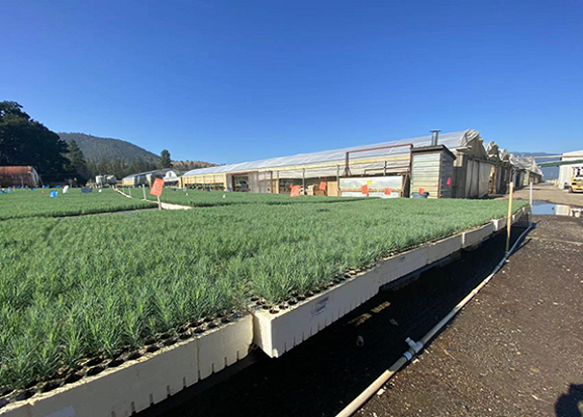
However, as polystyrene is used more and more widely, doubts have begun to appear. Some people think that polystyrene is a kind of plastic. If a large amount of use will cause serious environmental pollution, they advocate banning the use of polystyrene and using other materials to replace polystyrene,
but could not give a better solution, which caused turmoil in the relevant industries in the market and had an impact on small and medium-sized enterprises.
In fact, what really caused the pollution was not the advent of styrofoam, but the failure to use a suitable styrofoam recycling machine for recycling. People only enjoy the convenience brought by styrofoam, but no one is willing to recycle, which is the main cause of environmental pollution.
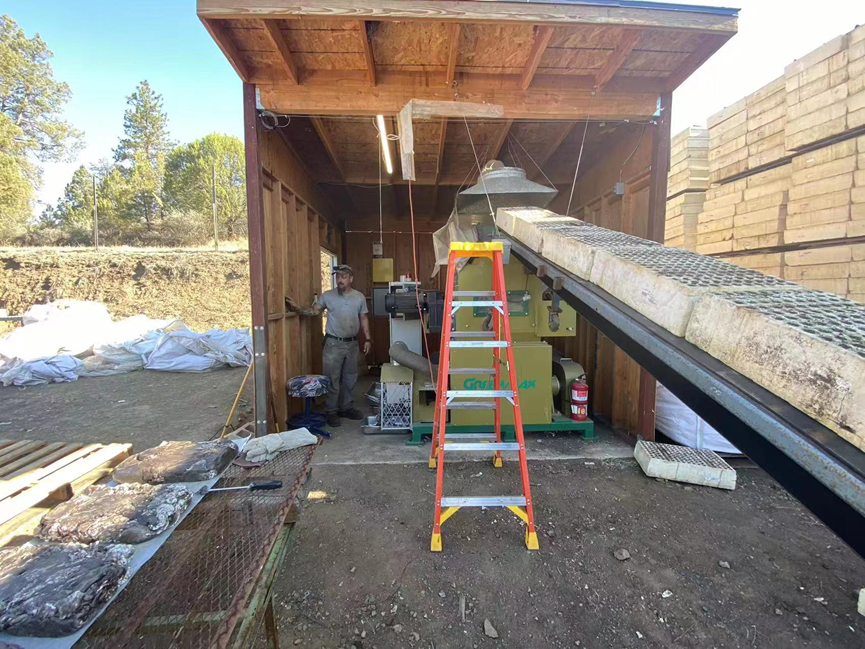
Choosing a styrofoam densifier to recycle styrofoam can effectively solve environmental pollution. GREENMAX Styrofoam densifier supports both indoor and outdoor use. The official GREENMAX customer in the United States seen in the picture is using a styrofoam densifier for styrofoam recycling. They mainly recycle used seeding discs used in the agricultural field. The excellent hot-melt technology of styrofoam densifier helps to compress bulky seeding discs to one-90th of their original volume, realizing the first step in the recycling process.

Since the styrofoam densifier adopts hot-melt technology, you must pay attention to your own safety during the process of collecting compressed styrofoam to prevent being burned, and you can get dense ingots after cooling.