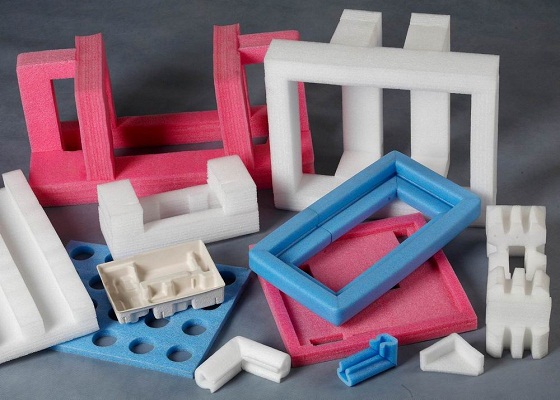
Polyethylene foam (PE foam) is a polymer polymerized by ethylene. The product has been developed for about 60 years. Polyethylene foam board manufacturers predict that India is expected to become the fastest growing demand market for PE foam in the Asia-Pacific region over the next decade. Its PE foam board market demand has increased from the current 3.6 million tons to 8.2 million tons.
“India will be the second largest importer of PE foam in the Asia-Pacific region after China in 2023,” said JimFoster, chief market analyst at Platts.
Jim Foster pointed out that in 2023 India’s PE foam board deficit will reach 3.4 million tons, which is much higher than the expected value of any country in Africa and Europe. Although the current market demand for PE in China is still far beyond India’s, the Indian market will grow at an alarming rate in the next decade. During 2013-2023, its demand for PE foam will continue to increase, which will help solve the global PE foam excess capacity problem.
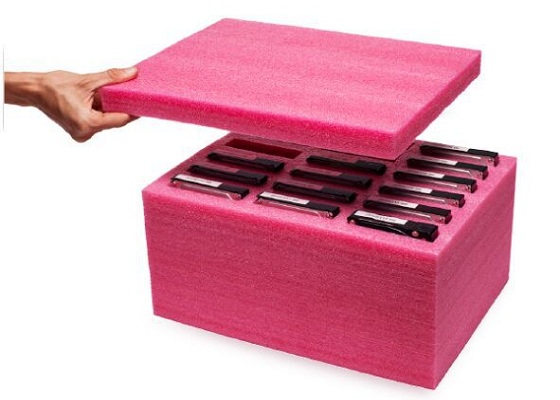
In the next few years, the demand for HDPE, which is widely used in plastic sheet, will be further increased. Demand in India is expected to exceed 4 million tonnes by 2023; demand for LLDPE in India will rise to more than 3 million tonnes in the meantime; annual consumption of LLDPE in India will reach 1.2 million tonnes a decade later.
Such a large demand causes a matter of concern for PE foam recycling. As we all know, where there is consumption, there is waste. At the moment of production, we have to prepare for waste disposal.
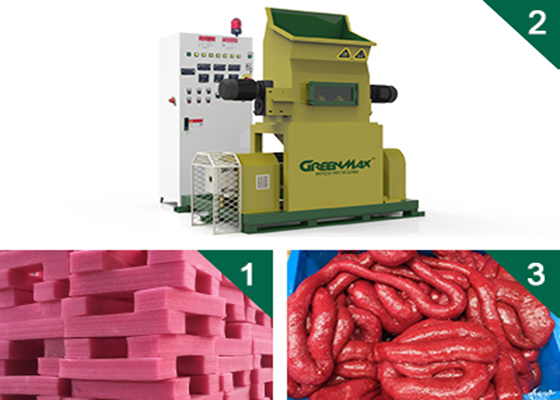
You may have heard of GREENMAX, the Styrofoam recycling specialist. But do you know? It can be also used for polyethylene recycling. GREENMAX has screw compactor and foam densifier to achieve the foam volume reduction. The aim of GREENMAX is to save transportation cost and improve the recycling rate of PE foam.
The increasing demand for PE foam also requires to improve its recycling rate. It is believed that GREENMAX will be a good helper for you.