The hurricane that occurred in North Rolle a few years ago left a deep impression on people. This natural disaster caused great damage to the area, especially a huge negative impact on the marina. Many large-scale events organized by the Coastal Federation followed. A lot of microplastics were found during the cleanup. The findings of the report indicate that unencapsulated polystyrene foam used in jetty and wharf construction generates significant amounts of microplastics in these waters. 295 sample sets were gathered by volunteers, who then divided them into the five microplastic groups.
According to the report, The largest quantity group is polystyrene foam, they gathered 1,418 pieces of foam! We all know that polystyrene can cause serious damage to the environment when it decomposes into microplastics. However, we cannot avoid such natural disasters, so how do we deal with the expanded polystyrene waste generated in daily production activities? This is worth our deep thinking.
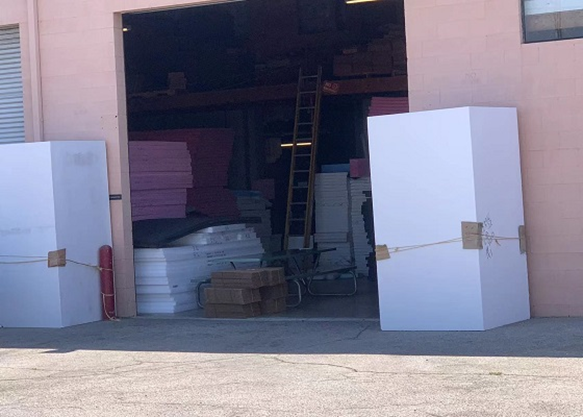
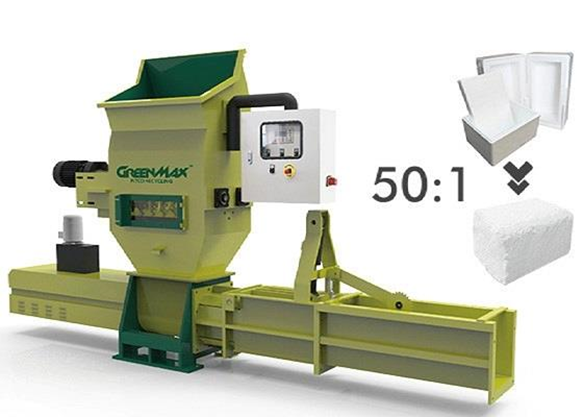
The main part of a common boat by the sea is a huge piece of expanded polystyrene. A huge piece of polystyrene is as tall as two adults and is in the shape of a cube. If some special treatment is not carried out, then It is very difficult to deal with these huge wastes. Although they look bulky, these “big guys” are actually not heavy, because 98% of the material that makes up expanded polystyrene is air. As long as you find a way to use polystyrene Styrene recycling machines can realize recycling by squeezing the air out. GREENMAX polystyrene compactor can compress the waste around these oceans and rivers to 1/50 of its original volume, and then recycle it. Waste near water sources is generally humid and has high water content, but GREENMAX polystyrene compactor can also be recycled very well, even wet polystyrene fish boxes can be recycled