When carrying out styrofoam recycling activities in the community, there are several key points that require special attention to ensure that the recycling work is effective, environmentally friendly and operable. Here’s what the community should be concerned about when recycling Styrofoam:
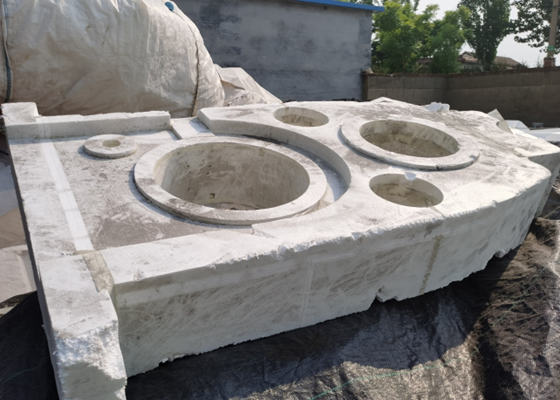
Classification and cleaning of foam
Styrofoam is a very lightweight material commonly used in packaging, food containers, construction materials, and more. When recycling, you must ensure that the foam is clean and free of excessive contaminants:
Cleaning: Make sure recycled foam is free of food debris, grease or other contaminants. If the foam is too dirty, it may result in increased costs during the recycling process or recycling failure.
Classification: Foams should be classified according to their use, such as food packaging and industrial packaging foams. Different types of foam may require different treatments.
Compression and transportation
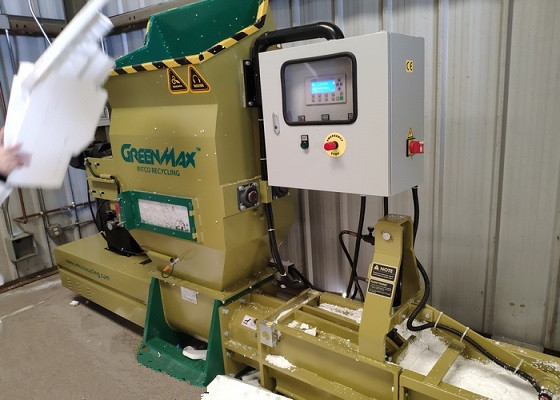
Because Styrofoam is large and lightweight, storage and shipping costs are relatively high. To save space and increase shipping efficiency, communities should consider using a styrofoam compactor or other compression device. These devices compress the foam into denser blocks that are easier to store and transport.
Community recycling of Styrofoam requires specialized equipment and technical support. Part of Styrofoam Most styrofoam waste can be processed by a styrofoam compactor, crushed and processed into new materials, while some may need to be processed by chemical dissolution. Communities should contact their nearby recycling center to see if they have a styrofoam compactor and make sure it has environmental certifications.
Establish long-term recycling cooperation
Communities can establish long-term cooperative relationships with local recycling manufacturers to ensure the stability of foam recycling channels. Styrofoam is not a material that all recycling centers will process, because not all community recycling centers are equipped with a styrofoam compactor. By cooperating with recycling companies or professional foam recycling organizations, communities can achieve a stable recycling process and ensure that the materials can ultimately be used effectively.