GREENMAX foam densifier uses hot melting technology to recycle styrofoam packaging, and customers have always wondered if just using the cold pressing technology of screw extrusion can achieve volume reduction of foam, why use hot melting technology? Doesn’t hot melt technology require more power to support work? There is a certain reason for the existence of everything, especially hot-melt technology. In fact, hot-melt technology and cold-pressing technology have their own advantages and complement each other.
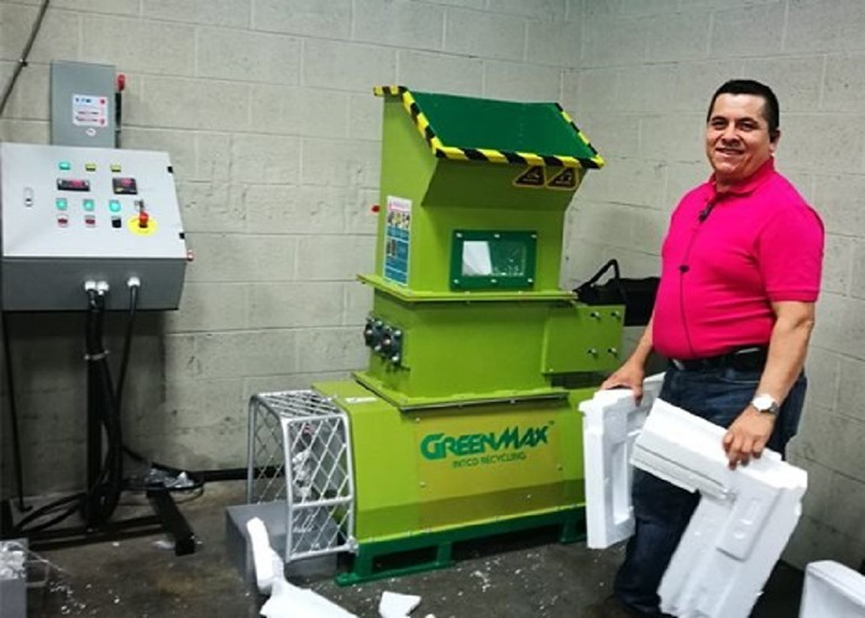
Hot melt technology has a higher compression ratio
First of all, we have to know what is hot melt technology. Hot-melt technology is a technology that heats and melts foam fragments into a gel to achieve the purpose of volume reduction. About 98% of the expanded foam is air. Using hot melt technology can better achieve the purpose of exhausting air. The compression ratio can reach 90:1. Therefore, customers with higher compression ratios like to use hot melt technology to recycle foam.
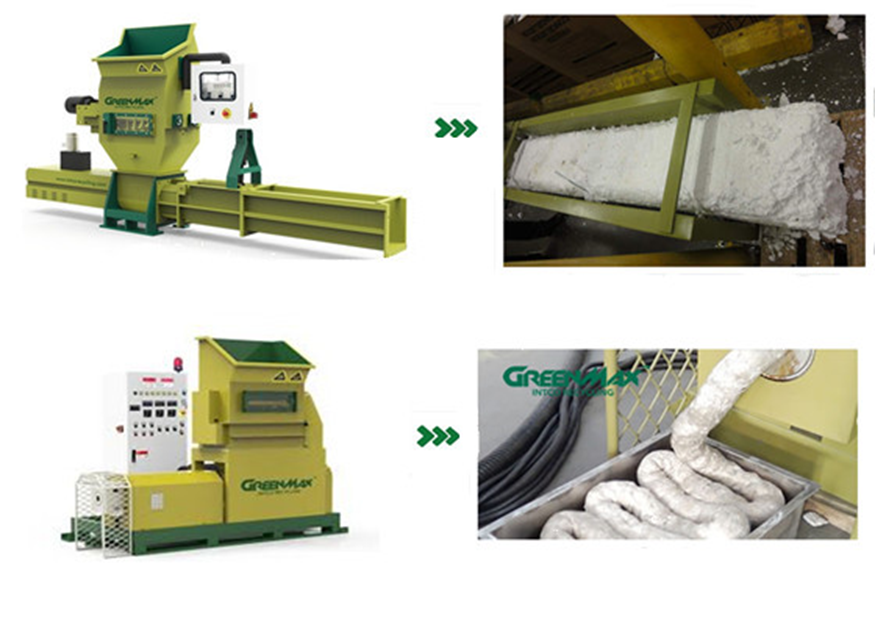
There are more types of foam that can be recycled by hot melt technology
Hot-melt technology can usually recover foam with high elasticity and hardness, which cannot be achieved by simply using cold-pressing technology unless cold-pressing technology is combined with hot-melting technology. Therefore, industries such as recycling stations prefer to use hot melting machines such as foam densifiers for recycling, because one foam densifier can achieve the goal of recycling multiple foams.
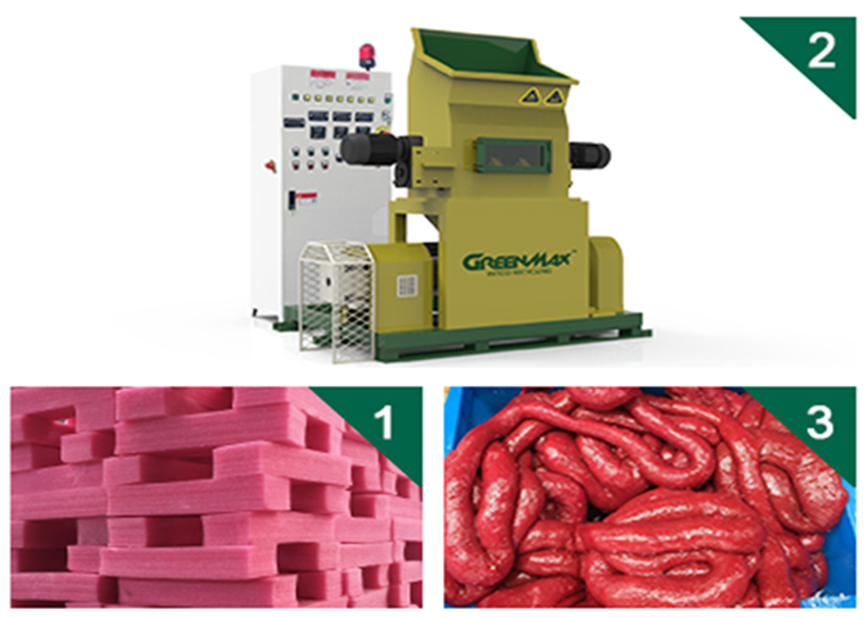
However, for some countries and regions with strict environmental protection requirements, they prefer cold presses instead of foam densifiers or industries that simply compress EPS foam also prefer cold presses, because they can achieve the purpose of compression and save energy. . Therefore, cold-pressing technology and hot-melting technology are both very important, and the mutual help between the two can make the recycling business more perfect.