The Daily Mail reported on December 2 that Adam Porter, a marine scientist at the University of Exeter in the UK, said: “We put thousands of foam particles that people who love seafood can swallow every year. Putting it together, the results are really shocking. People don’t want to eat foam, let alone so much foam.”
This is equivalent to what the fish ate and what we ate.

In order to curb the further expansion of foam pollution, people began to innovate in the field of foam recycling. A GREENMAX in California, as a recycling expert, developed a machine for foam recycling in ten years. According to the working principle, it is divided into three series, among which A series A-C100 machine has helped many Americans. The company recycles foams efficiently and cost-effectively, and INTCO offers these companies complete recycling solutions.
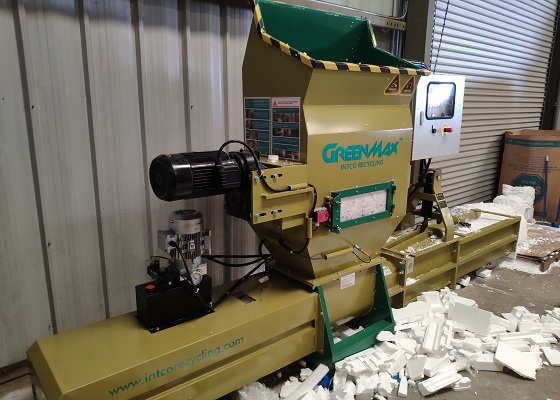
The A-C100 machine can compress waste foams at a high rate to form recycled foam blocks. These blocks can reduce stacking space, improve transportation efficiency and, more importantly, can be sold as commodities to turn waste into treasure.
After recycling foams, buyers can find their own end markets. Manufacturers such as wood-like materials, photo frames, park benches, etc., can also choose to cooperate with INTCO. INTCO is committed to repurchasing recycled foam blocks while selling machines.
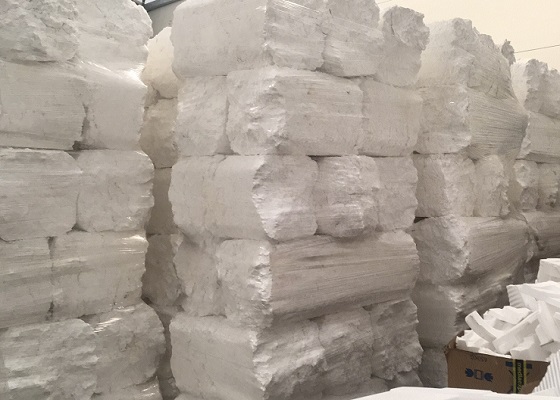
Although many years of industry information encourages recycling, nearly 40% of the foams ever produced have eventually entered landfills or become loose in the natural environment. But as consumers become more environmentally conscious and make profits from the company, we look forward to more foam waste entering the recycling machine.