Orca sculpture in Chennai, India, made of old polystyrene and 40,000 polystyrene bottle caps, as a reminder of polystyrene pollution and its consequences. Wales and dolphins swallow polystyrene trash and die from it.
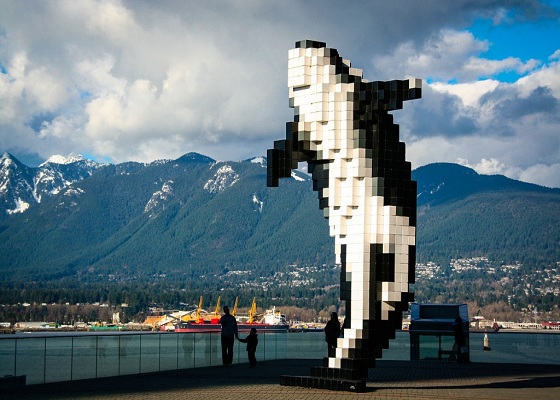
Since the invention of polystyrene materials, almost every organism on the earth has been affected by the production, use or disposal of polystyrene, and its toxic effects endlessly accumulate in the air we breathe, the water we drink and the soil under the feet.
Not only India, Malaysia, Brazil and other countries have set up warning signs on the beach, reminding people to face the growing polystyrene crisis, it is time to do something.
Polystyrene materials cannot be eliminated because they bring people as much convenience as pollution. What people need to study is how to recycle polystyrene, with a focus on solving the high cost of polystyrene recycling.
Located in California, polystyrene recycling specialist, INTCO Recycling specializes in the development of polystyrene recycling machines to provide customers with complete polystyrene recycling solutions. The GREENMAX machine brand has three series, which can compress polystyrene at a high ratio, improve the polystyrene recovery rate and reduce the recycling cost of polystyrene.
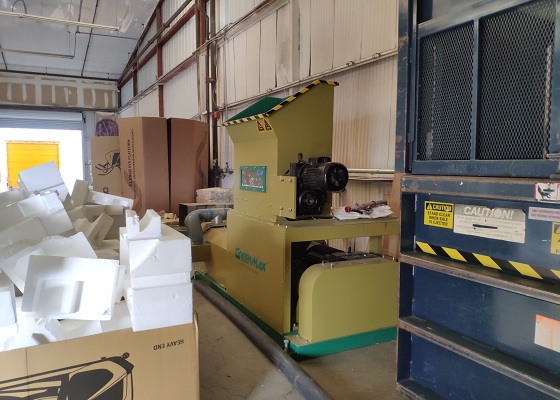
For example, the GREENMAX Mars series of polystyrene densifier, for the 6th polystyrene of polystyrene, can compress up to 90:1, and the fluffy polystyrene waste becomes a high-density recycled polystyrene ingot. Polystyrene ingots offer great convenience in storage and transportation, and can be sold as a commodity to the end market to make a profit.

Recycling polystyrene using specialized machines is becoming the primary means of recycling polystyrene. When the best way to degrade polystyrene is not found, we need to recycle polystyrene to minimize the amount of polystyrene that enters the environment.