With the increase of environmental awareness and the intensification of plastic pollution problems, plastic recycling and reuse have become an important issue for global sustainable development. PET (polyethylene terephthalate) is widely used in the field of food packaging due to its excellent transparency, heat resistance and recyclability. Using PET plastic particles containing recycled materials to make food-grade packaging can not only reduce plastic waste, but also save resources and reduce carbon emissions. This article will explore the process, key technologies and application prospects of this process.

Sources and classification of PET recycled materials
PET recycled materials mainly come from:
Post-consumer recycling (PCR, Post-Consumer Recycled): including waste PET bottles, food packaging boxes, etc.
Industrial recycling (PIR, Post-Industrial Recycled): PET scraps and defective products generated during the production process.
In order to meet food safety standards, recycled PET (rPET) must undergo strict cleaning, impurity removal and regeneration to ensure the safety and quality of the final product.

Manufacturing process of food-grade rPET plastic particles
- Recycling and pretreatment
Classification and cleaning: Separate PET bottles and remove non-PET materials such as bottle caps and labels through optical sorting, flotation, etc.
Crushing and rinsing: Break PET bottles into small pieces and use alkaline solution for deep cleaning to remove oil, pigments and adherent impurities.
- Impurity removal and purification
Heat treatment: Use high temperature to remove residual organic pollutants.
Melt filtration: Use melt extrusion technology to remove tiny particle impurities through precision filter screens to improve purity.
Vacuum degassing: Remove volatile organic compounds under high temperature and vacuum conditions to improve the food safety level of rPET.
- Food-grade safety processing
Chemical depolymerization-repolymerization technology (Chemical Depolymerization & Repolymerization):
PET is degraded into monomers or oligomers through chemical depolymerization, and then repolymerized to ensure that the final PET material meets food contact safety standards.
Physical recycling and deep purification (Super-cleaning):
Use FDA (U.S. Food and Drug Administration) or EFSA (European Food Safety Authority) approved deep cleaning and impurity removal process to improve the food grade safety of rPET.
- Granulation and packaging
The strictly purified rPET is melted and extruded into particles, and then screened and packaged after cooling for subsequent food packaging production.
Application advantages of food-grade rPET packaging
Environmentally friendly and sustainable: effectively reduce the consumption of petroleum-based plastics and plastic waste, and increase the value of circular economy.
Meet food safety standards: After strict purification treatment, it can meet international food safety certifications such as FDA and EFSA.
Low carbon emissions: Compared with virgin PET, the production process of rPET can reduce carbon footprint by up to 60%.
Wide applicability: It can be used for bottled water, food trays, transparent films, food storage containers, etc.
Technical challenges and future development
High threshold for food-grade safety certification: strict regulatory standards must be met to ensure that rPET does not contain harmful substances.
The recycling system needs to be improved: improve the efficiency of sorting, collecting and recycling PET waste.
Performance optimization: improve the transparency, mechanical properties and thermal stability of rPET to make it closer to virgin PET.
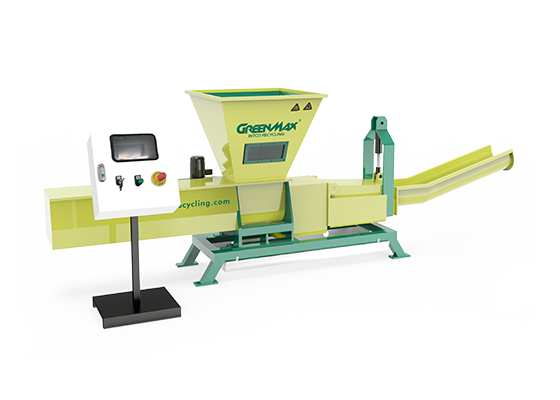
If you are interested in PET recycling, you can contact INTCO Recycling at any time. We not only provide PET clean flake acquisition services, but also provide PET recycling machine under the brand GREENMAX