With the wide application of high value-added products such as precision molds, electronic instruments, and medical equipment, EPE Foam (expanded polyethylene) packaging materials have become common materials in mold transportation and protection due to their excellent cushioning properties, flexibility, and plasticity. However, while the mold industry uses EPE packaging materials, it also faces the problem of disposing of a large number of waste foams. Traditional stacking or landfill methods not only take up space, but also pose environmental pollution risks. To this end, Foam Compactor is used to recycle waste EPE, which is a green and efficient solution.
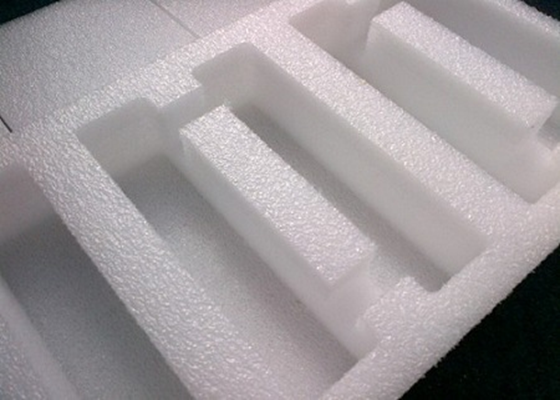
Characteristics of EPE packaging waste in the mold industry
Most of the EPE packaging for mold transportation is custom-molded and special-shaped structure, which presents the following characteristics in the recycling process after packaging:
Large but lightweight, high storage and transportation costs;
The shape of the waste material is irregular, and the traditional compression method is difficult to handle;
High purity, few impurities, suitable for recycling and reuse;
The quantity is concentrated and frequently generated, which is convenient for systematic recycling operations.
These characteristics dictate the need for a device that can both crush and efficiently reduce volume—and
Foam Compactor meets this need.
Foam Compactor’s recycling principle
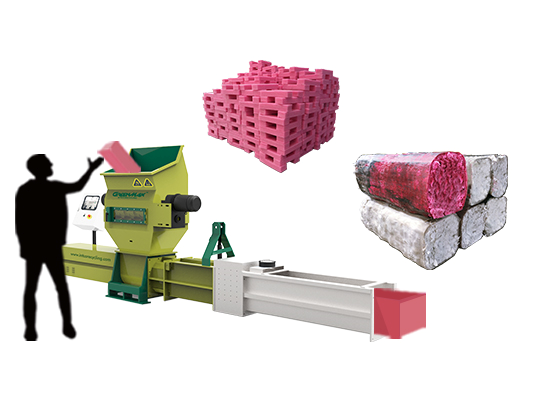
Foam Compactor uses mechanical compression to forcefully extrude EPE and form a high-density lump. Its main workflows include:
Feeding: Put the waste EPE packaging into the equipment;
Crushing/pre-pressing: Some models have a crushing function to crush large pieces of EPE into smaller pieces that are easier to compress;
Screw compression: through the screw or hydraulic system, the foam is strongly extruded into high-density bricks;
Discharge stacking: The compression blocks can be neatly stacked, packaged and transported.
Advantages of using Foam Compactor to recycle EPE
Significantly reduce volume and save space
Foam Compactor reduces the volume of EPE foam to 1/30 to 1/50 of the original volume, solving the problem of insufficient storage space in the factory.
Reduce shipping costs
The compressed foam bricks are convenient for packing trucks, greatly reducing the frequency and cost of transportation.
Enhance recycling value
The compressed EPE material can be sold to recycled plastic processing plants for the production of recycled pellets, turning waste into treasure.
Green and environmentally friendly, reducing carbon emissions
Compared with incineration or landfill, the mechanical compression treatment method is pollution-free and more in line with the environmental protection standards of modern enterprises.
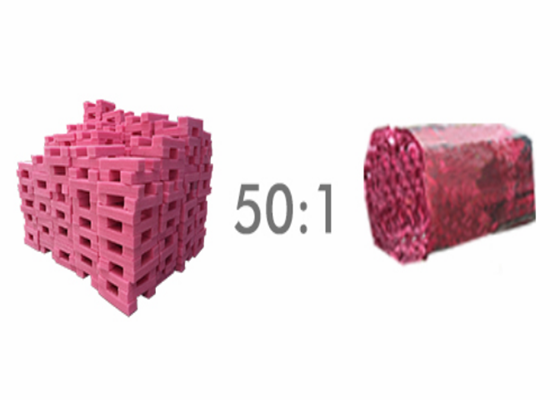
A precision mold manufacturing enterprise in Zhejiang generates more than 5 tons of waste EPE foam packaging materials every month. Since the introduction of a Foam Compactor equipment in 2023, the company has compressed the foam waste that originally filled the warehouse into high-density bricks of less than 200 kilograms per month, and packaged and sold it to a plastic recycling plant for recycling. This measure not only saves enterprises more than 80,000 yuan in storage and transportation costs every year, but is also included in its “green factory” certification program.
In the mold industry, the adoption of Foam Compactor to recycle EPE foam packaging can not only effectively control production waste, but also create considerable economic returns. It is a powerful alternative to traditional processing methods and an important measure to promote sustainable development in mold manufacturing enterprises.
If your business is also facing the problem of EPE foam waste accumulation, please contact us to learn about customized Foam Compactor solutions and build a greener future.